
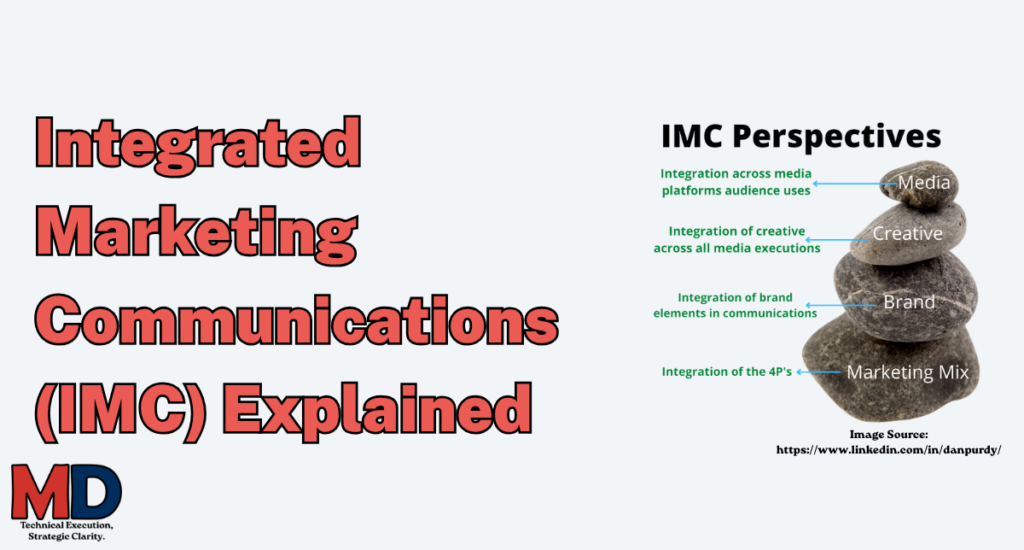
Integrated Marketing Communications Explained
Why IMC is Important to Me
As a college student working hard to build my skills, I recently took an eye-opening course called “MKTG 483 – Integrated Marketing Communications” at Western Washington University with Professor Dan Purdy. This class completely changed how I view my future profession as a digital marketer because it proved that marketing isn’t just about launching random social media posts.
Throughout the quarter, we learned why Integrated Marketing Communications (IMC) is essential to stand out in the currently crowded digital space. Specifically, keeping our messaging consistent and highly relevant to customer needs is what makes a campaign actually work. While I am still expanding my expertise and am not an expert yet, understanding these core concepts feels like a stepping stone for my entry-level career.
Integrated
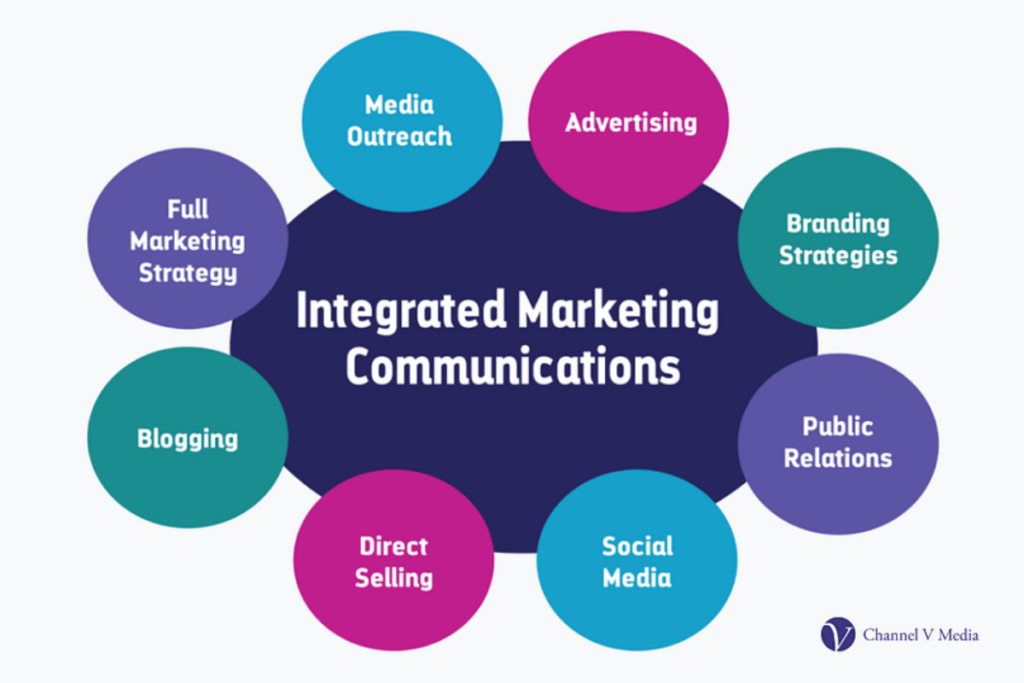
From a marketing perspective, to “integrate” means combining separate promotional tools, prices, and product strategies so they merge into one powerful whole. If you look at the IMC wheel graphic, you can see how diverse areas like digital marketing, advertising, public relations, and event marketing all stem from one central core strategy.
When a marketer ensures that these campaigns are consistently built across every platform, consumers can easily recognize the brand anywhere they find it. The goal is for consumers to be able to glance at our messaging (no matter the platform) and instantly recognize the brand.
Marketing
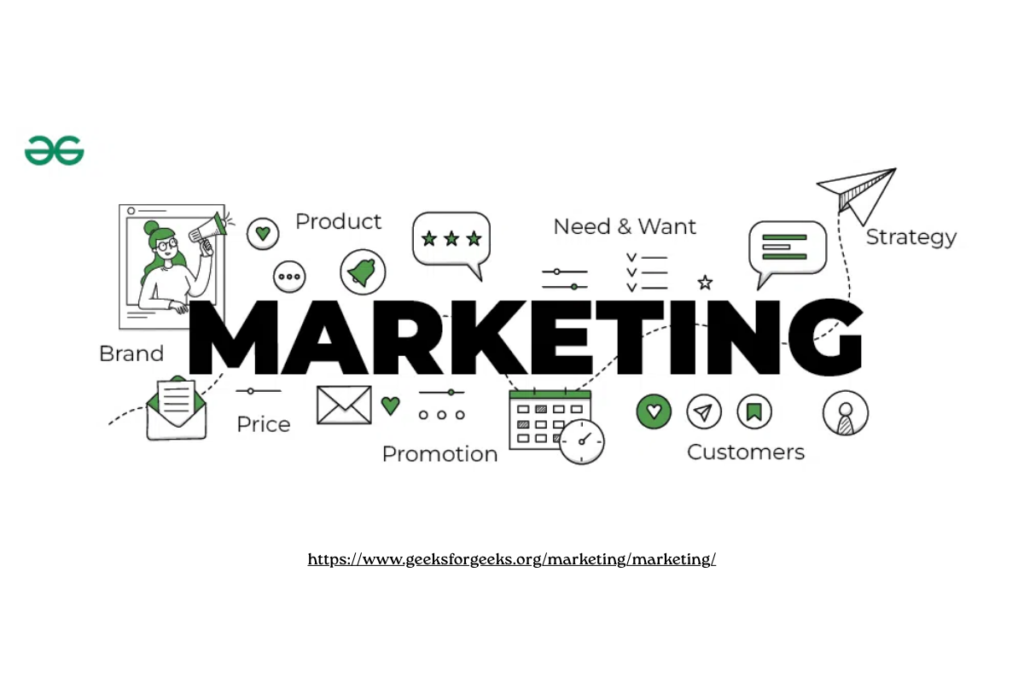
One popular way to look at marketing is to be completely customer-focused by constantly creating and delivering value to people’s lives. To figure out what our audience cares about, we can’t just guess; we have to roll up our sleeves and do real research. Whether that means spending hours analyzing secondary data reports or getting out into the field to gather primary research by asking customers questions directly, we must know their actual needs.
Ultimately, marketing is a problem-solving framework, and our strategies are only useful if they execute a clear plan of action that solves a real user problem.
Communications
When it comes to the communication piece, our messaging must be concise, straightforward, and anchored to our brand’s core purpose at every decision point to keep the big picture in mind.
Flashy social media vanity metrics like likes or shares are fun to look at, but we must focus on whether we are reaching the communication objectives we set in our creative strategy. Transmitting the right message through the wrong channel means it won’t be received, which is why top brands like Nike succeed by pairing targeted media channels with a clear value proposition and their iconic “Just Do It” tagline.
Where do we apply IMC?
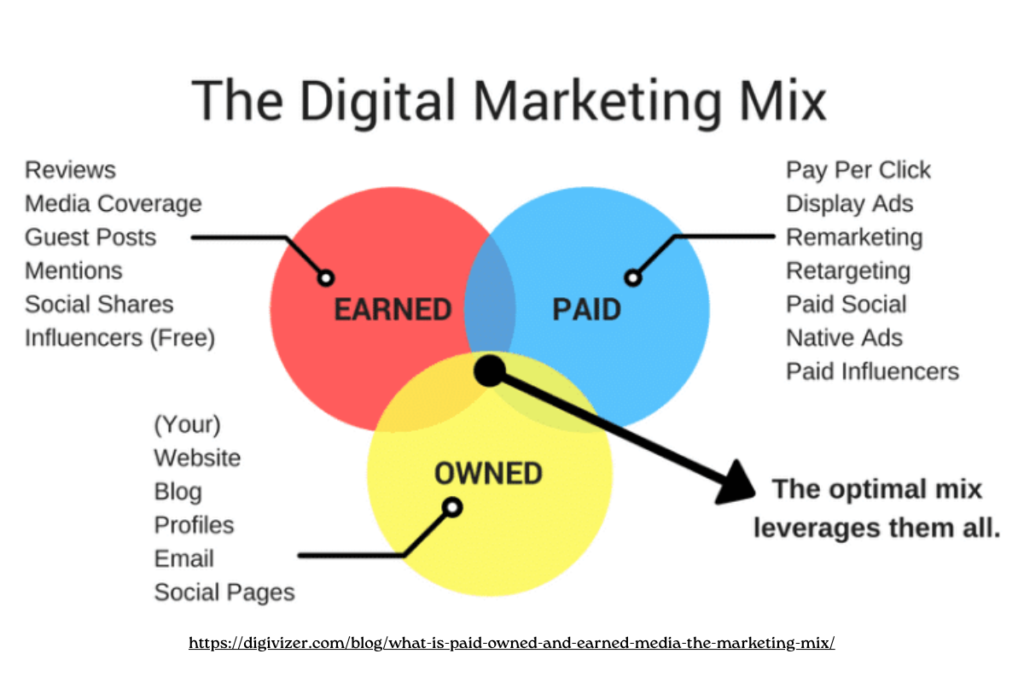
To bring everything together, we apply IMC across a massive variety of traditional media like TV and print, digital media like social media and email marketing, and out-of-home media like billboards or transit signs. Marketers have to study their consumers’ specific habits and preferences closely so they can reach them on the exact channels they use the most.
Managing all of these moving parts is definitely complex, but learning how to cut through the noise is how I can directly connect IMC to my growing profession in digital marketing. By focusing on real execution instead of just writing down nice ideas, I am excited to keep building my skills and creating campaigns that truly connect with people.