
Agile Marketing Explained
Why Agile Marketing is Valuable
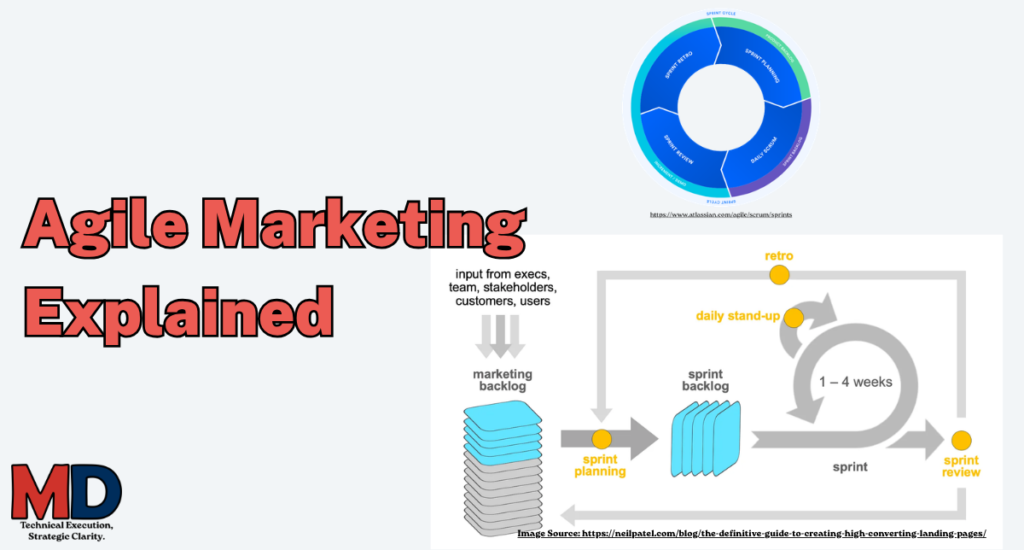
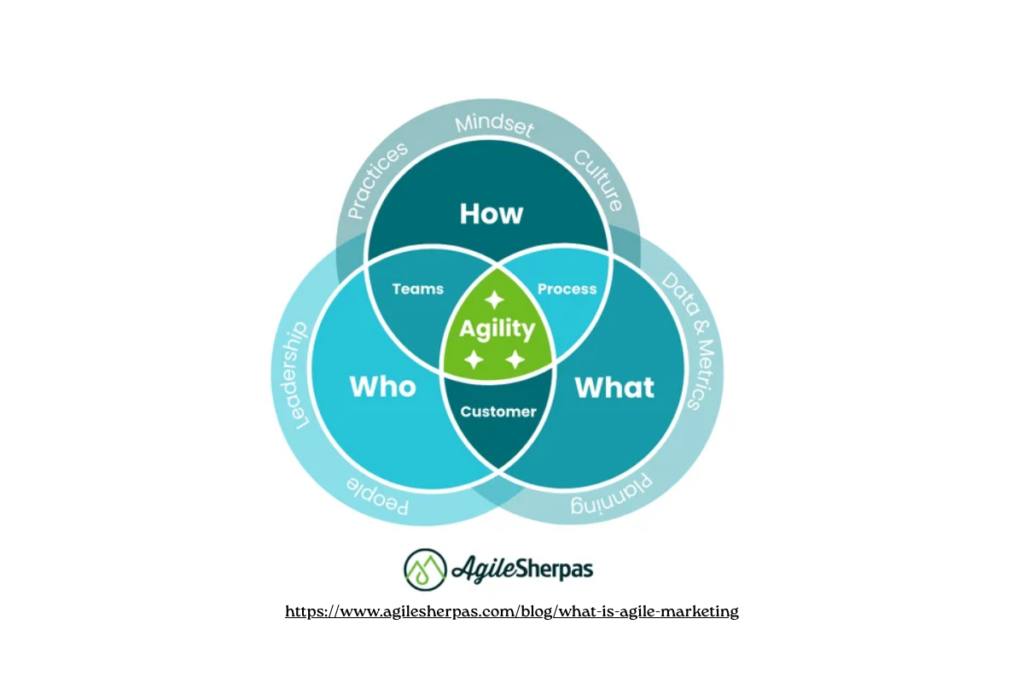
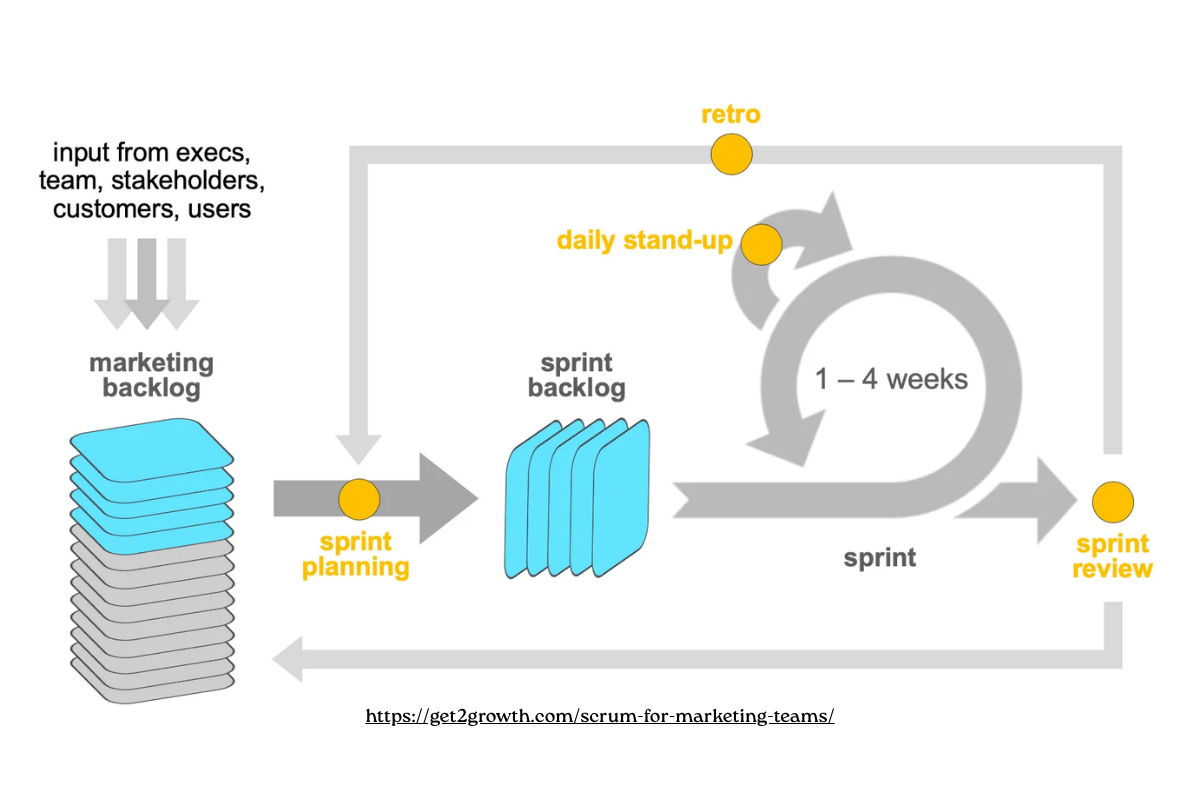
As I grow my skills as an entry-level digital marketer, staying flexible is everything. That’s why I love HubSpot’s definition: “Agile marketing is a strategic marketing approach that prioritizes creating high-value deliverables, working in short, intense bursts to achieve goals, and rapidly iterating.” This process is mapped out in the graphic below, showcasing how modern teams align and evaluate their campaigns.
This workflow is deeply connected to the “Agile Marketing Manifesto,” which prioritizes speed, collaboration, and real data over old-school guesswork. Organizations using agile see an impressive 20% to 40% increase in revenue. This method is backed by massive success, which is why I integrate it into my planning methods.
Kanban Planning
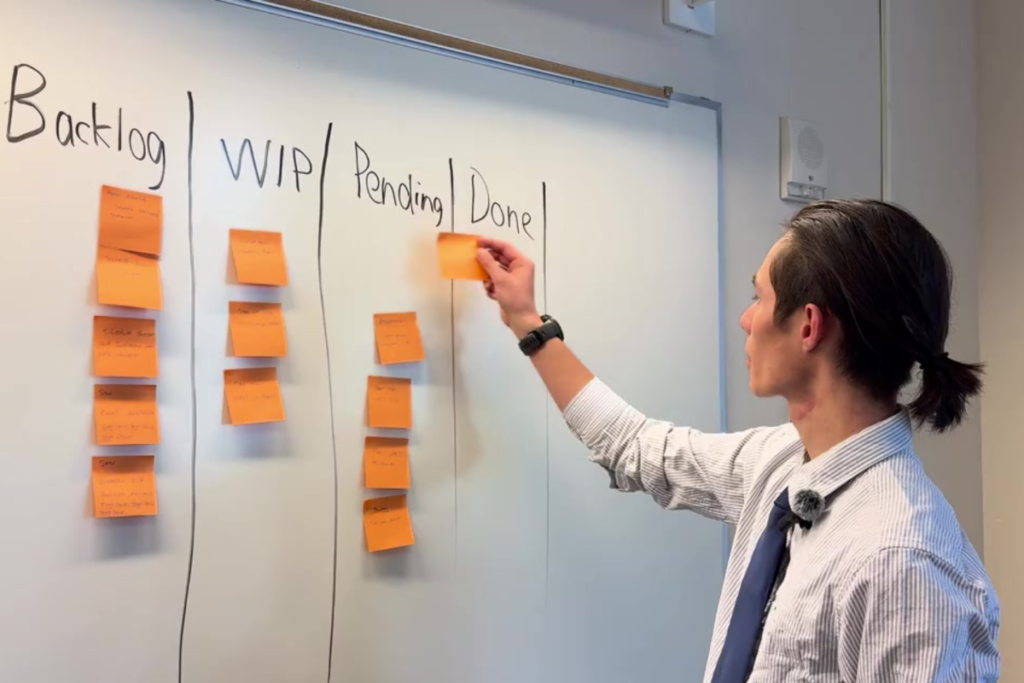
Kanban planning is one of the most useful tools for putting agile values into action. A standard board uses five stages (Backlog, To-Do, Work-In-Progress, Review, and Done) to help us visualize workloads, stay focused on our tasks, and manage our progress at a team level. It is incredibly collaborative, whether you are using physical sticky notes on a whiteboard or setting up Microsoft Planner online via Teams. This layout allows you to see exactly what everyone on your team is assigned to, working on, or has completed.
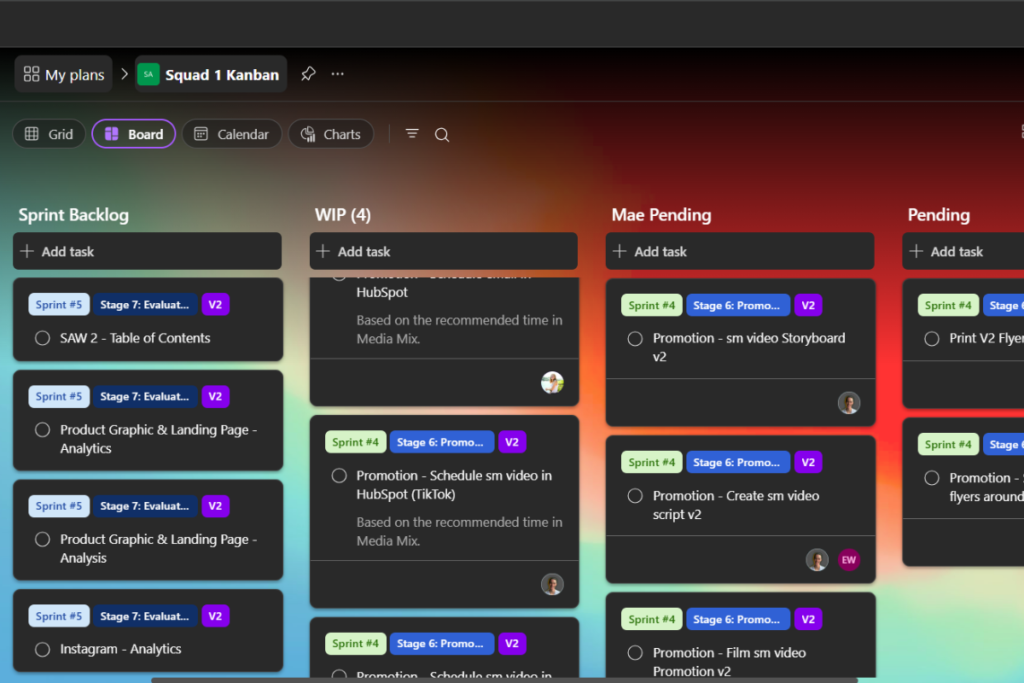
To keep our workflows running smoothly, there are a few key elements to the Kanban system. These foundational principles ensure that the entire team stays highly organized from start to finish.
- Iterative Mindset: The entire process is iterative, and Kanban boards can be switched around very easily to account for any sudden changes in the marketing plan.
- Small Chunks: Kanban’s are great for breaking down work into small chunks where each individual task should take around 20-60 minutes to complete.
- Task Cards: Each card (or sticky note) represents a single task, where tasks make up sub-deliverables, and sub-deliverables make up our larger deliverables.
- WIP Limits: We must set Work-In-Progress (WIP) limits to stay focused, because by overloading our WIP, work piles up and begins to feel overwhelming and daunting. By limiting the WIP stage to 4 tasks at once, we will easily stay on track.
- Active Updates: You should actively move tasks while you are planning your day, working on tasks, and finalizing deliverables. By consistently keeping up with updating the Kanban, you will know exactly what has gotten done, what needs to be done, and what everyone else on the team is currently working on
What is a “Sprint?”
Another fundamental framework for staying organized is sprint planning. A sprint is a time-boxed period within the Kanban planning framework where a team sets a specific goal alongside a certain amount of work at the beginning of the sprint. Our team relies heavily on core agile values to help us stay on track, which helps us easily account for any unexpected mishaps throughout the sprint process.
Sprints also teach us the massive importance of utilizing “shitty first drafts” when ideating. In a fast-paced sprint, we simply can’t wait around to craft the perfect deliverable, so we use these rough drafts when ideating and creating new ideas. It may not be perfect at first, but it is a solid start that we can build off of and constantly improve, which is vital since starting is always the hardest part.
The “Sprint” Framework
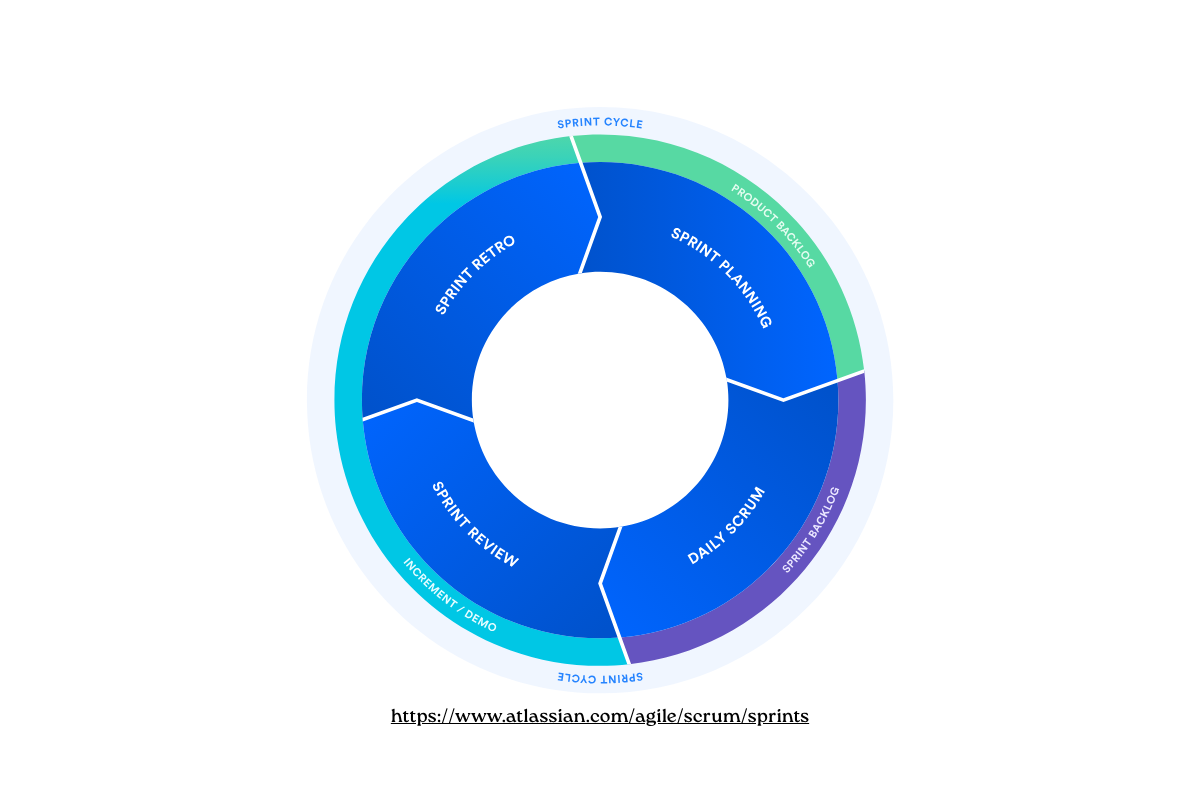
To make this structure work effectively, the sprint cycle relies on a highly organized step-by-step loop. I will go into detail about each step within the sprint process to show how it keeps projects moving forward.
- Sprint Planning: This is a collaborative kickoff session where the team answers two basic questions: what work can realistically get done in this sprint, and how will the chosen work get done?
- Daily Check-ins: This is a set daily meeting where the team checks in about how the work is progressing to surface any blockers and challenges that would impact our ability to deliver the sprint goal.
- Sprint Review: This stage serves as your team’s opportunity to proudly showcase their hard work to stakeholders and teammates before it officially hits production.
- Sprint Retrospective (Retro): This final phase is your team’s opportunity to identify key areas of improvement for the next sprint, meaning you’re immediately ready to start your next sprint cycle.
How I Will Use Agile Values
Overall, I find agile values to be extremely useful planning frameworks that I will utilize in my next digital marketing position. I have already adopted the Kanban planning chart into my everyday life for both personal and professional reasons. It has helped me make the process of ideating and creating a high-effort deliverable feel much less daunting.
By breaking large deliverables down into sub-deliverables, and then further down into 20-60 minute tasks, I can stay consistently productive without getting overwhelmed.

Sources
- https://www.linkedin.com/in/danpurdy/
- https://www.agilesherpas.com/blog/what-is-agile-marketing
- https://blog.hubspot.com/marketing/agile-marketing
- https://agilemarketingmanifesto.org/
- https://www.atlassian.com/agile/scrum/sprints
- https://www.atlassian.com/agile/kanban